
Bleeding Gums When Brushing or Flossing: What They Can Mean and When to See a Dentist
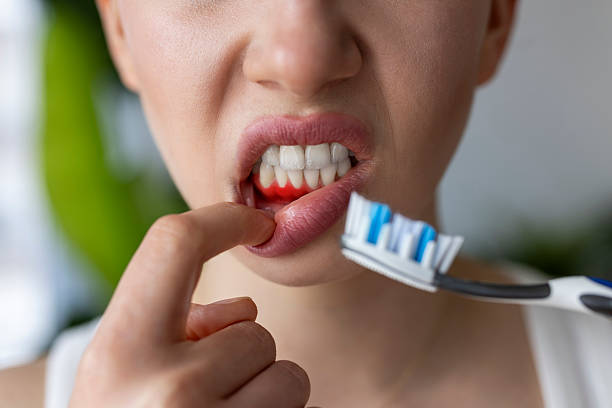
Occasional bleeding gums can happen after irritation or a change in oral-hygiene habits, but if your gums bleed when brushing or you repeatedly notice bleeding gums when flossing, gum inflammation is a common cause—and recurrent bleeding should not be considered normal. Plaque buildup can cause gingivitis, an early form of gum disease, though bleeding alone does not establish a diagnosis. Persistent bleeding, swelling, tenderness, bad breath, gum recession, or other changes should be evaluated by a dentist.
At Heather J. Petroff, DDS in Broadview Heights, a periodontal evaluation can help identify the cause of bleeding and guide appropriate care, from changes in your daily cleaning routine to gum disease treatment when needed.
Why Do My Gums Bleed When I Brush or Floss?
Gums commonly bleed during brushing or flossing because they are inflamed, often from plaque buildup along the gumline. Bleeding is a sign, not a diagnosis: it can occur with gingivitis or periodontitis, but it can also result from forceful cleaning or irritation in a specific area.
Inconsistent flossing can allow plaque to collect between teeth, while trapped food or a dental appliance may contribute to local irritation. Medications such as blood thinners and health factors such as hormonal changes or diabetes can also affect bleeding or gum health. Your dentist considers these possibilities alongside an examination and your medical history; do not stop a prescribed medication without guidance from the clinician who prescribed it.
Plaque and Gingivitis Are Common Causes of Bleeding Gums
Plaque is a sticky bacterial biofilm that forms on your teeth. When it accumulates near the gumline, it can trigger an inflammatory response in the surrounding gum tissue, also called gingiva. The tissue may become swollen, tender, and more likely to bleed when touched by a toothbrush or floss.
This plaque-induced gum inflammation is called gingivitis. Inflamed gums can bleed even when cleaning is gentle, so bleeding gums do not necessarily mean you have injured them. A dental evaluation helps distinguish gingivitis from periodontitis, which involves damage to the tissues supporting the teeth.
Can Brushing Too Hard Make Your Gums Bleed?
Yes. Excessive pressure, hard bristles, or vigorous scrubbing can irritate gum tissue and cause bleeding. Use a soft-bristled toothbrush and gentle movements along the gumline rather than pressing harder to remove plaque.
However, recurring bleeding should not be attributed to brushing technique alone. If bleeding continues despite gentler cleaning, or occurs with swelling, tenderness, or other changes, your dentist should evaluate the area.
Why Your Gums May Bleed When You Start Flossing Again
When you resume flossing after a gap, gums may bleed because plaque has accumulated between the teeth and caused inflammation. Snapping floss into the gums can also irritate the tissue.
Consistent, gentle cleaning can help reduce plaque-induced gingivitis, often alongside a professional cleaning to remove buildup. Guide floss carefully between teeth, curve it around each tooth, and avoid forcing it into the gums. If bleeding persists or keeps returning, schedule an evaluation rather than assuming your gums simply need to get used to flossing.
Are Bleeding Gums Normal?
Occasional, isolated bleeding can happen after irritation, but regular or recurrent bleeding should not be considered normal for healthy gums. If you frequently notice your gums bleeding when brushing, or your gums bleed when flossing despite gentle technique, a dental evaluation can help identify the cause.
Understanding why gums bleed requires looking at the pattern and the surrounding tissues. A single irritated spot is different from repeated bleeding across several areas, but neither the amount of blood nor the absence of pain can establish whether you have gingivitis or another periodontal condition.
What Healthy Gums Generally Look and Feel Like
Healthy gums generally feel firm, fit closely around the teeth, and do not bleed with gentle brushing or flossing. They should be free of persistent swelling and tenderness, with stable periodontal tissues and little to no spontaneous bleeding.
When comparing healthy gums vs gingivitis, inflammation and bleeding are more useful clues than color alone. Healthy gum pigmentation varies naturally, and a dentist evaluates tissue condition and periodontal measurements rather than relying only on appearance.
Signs That Bleeding Is More Than Temporary Irritation
Bleeding deserves professional attention when it repeats, occurs without brushing or flossing, or accompanies other changes, including:
- Persistent swelling or tenderness
- Bad breath that does not improve with daily cleaning
- Gum recession or a changing gumline
- Teeth that feel loose or have become more mobile
- Pus or discharge around the gums
These signs do not all point to the same diagnosis, but they warrant assessment. Contact your dentist promptly if you notice pus, new tooth mobility, or persistent spontaneous bleeding. You do not need to wait for pain before having your gums checked.
Bleeding Gums and Gingivitis: What’s the Connection?
Bleeding gums are a common sign of gingivitis, which is inflammation of the gum tissue often caused by plaque buildup. Bacteria in plaque trigger an inflammatory response, making the gums more likely to swell and bleed during brushing or flossing.
Plaque-induced gingivitis affects the gums without the loss of periodontal attachment or bone support that characterizes periodontitis. That distinction matters because the two conditions require different care. Bleeding alone cannot tell you which condition is present; your dentist evaluates the tissues and periodontal measurements to make that determination.
Can Gingivitis Be Reversed?
Yes. Plaque-induced gingivitis can often resolve with effective daily plaque control and professional dental care. A professional cleaning removes plaque and hardened calculus, while consistent brushing and cleaning between teeth help limit new buildup.
Your dental team can also identify areas you are missing and recommend techniques that make cleaning easier. Improvement should include reduced inflammation and bleeding, with follow-up assessment when needed to confirm that your gums are responding.
For more about the role of professional care, read Can Professional Dental Cleanings Reverse Gingivitis?
What Happens If Gingivitis Is Left Unmanaged?
Unmanaged gingivitis can leave the gums persistently inflamed and prone to bleeding. It does not automatically progress to periodontitis in every person, but ongoing plaque accumulation and risk factors such as smoking or poorly controlled diabetes can increase concern about periodontal health.
If periodontitis develops, the damage extends beyond the gums to the attachment and bone supporting the teeth. Persistent inflammation deserves professional assessment so your dentist can identify the condition and recommend appropriate care before further damage occurs.
Bleeding Gums vs Periodontitis: How Can You Tell the Difference?
You cannot reliably distinguish gingivitis from periodontitis by bleeding alone. Both can cause bleeding gums, and the amount of bleeding does not tell you whether the tissues supporting your teeth have been damaged.
When comparing gingivitis vs periodontitis, the key difference is attachment and bone loss. Although “periodontal disease” is often used to mean periodontitis, it is a broader term that can include gingivitis. A dental examination is needed to determine which condition is present.
Gingivitis Affects the Gum Tissue
Gingivitis causes inflammation in the gums, which may appear swollen or red and bleed during brushing or flossing. Color changes can be harder to recognize in naturally pigmented gums, so appearance alone is not a dependable guide.
Gingivitis does not involve the periodontal attachment loss that defines periodontitis. Plaque-induced gingivitis can often resolve with professional care and effective daily cleaning.
Periodontitis Affects the Structures Supporting Your Teeth
Periodontitis involves loss of the attachment and bone that support your teeth. Periodontal pockets may deepen as the connection between the tooth and surrounding tissues breaks down, creating areas where bacterial deposits are difficult to remove at home.
Gum recession can also occur, and teeth may become mobile in more advanced disease. However, recession has other possible causes, and periodontitis may develop without obvious pain or loose teeth. These changes need professional evaluation rather than self-diagnosis.
Why a Dental Exam Is Needed to Know Which One You Have
If you are wondering how to tell if you have periodontitis—or how you know if you have periodontal disease—the answer starts with a periodontal exam. Your dentist or hygienist measures pocket depths, checks bleeding and inflammation, and evaluates attachment levels. Dental X-rays may be indicated to assess bone support.
Your team interprets these findings alongside your dental and medical history. That assessment helps determine whether you need care for gingivitis, active treatment for periodontitis, or continued maintenance after previous periodontal treatment.
What Is Bleeding on Probing During a Periodontal Exam?
Bleeding on probing is bleeding that occurs after a dentist or hygienist gently uses a periodontal probe to assess the space between a tooth and the gum. It is a clinical sign that helps your team evaluate inflammation, whether or not you have noticed bleeding at home.
If you report bleeding during brushing or flossing, a periodontal exam helps put that symptom into context. During periodontal probing, your dental professional records gum measurements and notes sites that bleed. This periodontal charting allows your team to compare findings across your mouth and over time.
Bleeding on probing does not establish a diagnosis by itself. Your team considers it alongside pocket depths, attachment levels, and other findings to assess gum health.
Why Does My Dentist Measure My Gum Pockets?
Measuring gum pockets helps your dentist assess the tissues around your teeth and identify areas that may need closer attention. Comparing measurements with previous visits also helps reveal changes that could suggest improvement or disease activity.
For a fuller explanation, read What Do Your Gum Pocket Measurements Mean During a Dental Exam?
Do Higher Periodontal Numbers Mean Healthier Gums?
No. The statement that higher periodontal numbers—such as 8–13 mm—mean healthier gums is false. These measurements indicate very deep spaces around the teeth and warrant careful professional evaluation.
Generally, increasing probing depth raises concern, particularly when accompanied by bleeding, attachment loss, or bone loss. Pocket depth alone does not determine a diagnosis, but higher numbers are not a sign of better gum health.
When Should Bleeding Gums Be Checked by a Dentist?
Schedule a dental evaluation if bleeding persists, happens frequently, or occurs without brushing or flossing. You should also have it checked if it accompanies swelling, gum recession, persistent bad breath, loose teeth, pain, or pus or discharge.
If you have previously been treated for periodontal disease, report new or recurring bleeding to your dental team. It may signal inflammation in an area that needs reassessment, even if your last maintenance visit showed stable gums.
You do not need to wait a set number of days or for symptoms to become uncomfortable. Contact your dentist promptly for new tooth mobility, discharge, or significant pain and swelling. Heavy bleeding or bleeding that does not stop requires urgent professional advice.
What If My Gums Bleed but Don’t Hurt?
Bleeding gums still deserve attention even when they do not hurt. Gingivitis and periodontitis can occur without significant pain, so comfort does not confirm that your gums and supporting tissues are healthy.
If bleeding keeps happening, a periodontal evaluation can help identify the cause and determine whether you need changes in home care, professional cleaning, or periodontal treatment.
What If Only One Area Bleeds?
Bleeding in one area may be related to localized plaque or tartar, food trapped between teeth, or irritation from brushing or flossing. A filling, crown, or other restoration may also contribute if its shape or edge traps food or makes cleaning difficult.
Persistent bleeding in the same spot should be examined. Your dentist can assess the gum tissue, nearby tooth surfaces, and any restorations to identify what is contributing and recommend appropriate care.
How Dentists Evaluate Bleeding Gums
Dentists evaluate bleeding gums by combining an examination with periodontal measurements and a review of your health history. Dental X-rays may also be needed. Together, these findings help identify the cause of bleeding and guide treatment.
Visual Gum Examination
Your dentist or hygienist checks for inflammation, swelling, gum recession, and visible plaque or calculus. They also look at where bleeding occurs and whether nearby teeth, restorations, or trapped food may be contributing to irritation.
Appearance provides useful clues, but it cannot show the full condition of the tissues supporting your teeth.
Periodontal Pocket Measurements
Using a periodontal probe, your dental professional measures the spaces between your teeth and gums and records bleeding at those sites. They also assess gum recession, which helps them evaluate attachment levels.
Pocket depths and bleeding are interpreted together with other findings. Comparing measurements with previous records helps your team identify changes over time.
Dental X-Rays When Bone Levels Need to Be Evaluated
When indicated, dental X-rays help your dentist evaluate the bone supporting your teeth. They can reveal the extent and pattern of bone loss that cannot be determined from a visual examination alone.
Probing provides information about pocket depths and, together with recession measurements, periodontal attachment. Radiographs provide complementary information about bone support. Neither replaces the other, and X-rays alone cannot establish whether periodontal disease is currently active.
Medical and Dental History
Your dentist reviews medications, smoking or vaping, diabetes, hormonal changes, and any previous periodontal diagnosis or treatment. These details can affect bleeding, inflammation, periodontal risk, or your response to care.
Bleeding gums do not diagnose a systemic health condition. If your symptoms or history suggest a concern beyond the mouth, your dentist may recommend evaluation by your medical clinician or coordinate care with them.
How Are Bleeding Gums Treated?
Treatment for bleeding gums depends on the cause and the condition of the surrounding tissues. Your dentist first determines whether bleeding is related to plaque-induced gingivitis, periodontitis, cleaning technique, local irritation, or another contributing factor. The goal is to address that cause and restore or maintain periodontal health.
Professional Dental Cleaning for Plaque-Induced Gingivitis
For plaque-induced gingivitis, a professional dental cleaning removes plaque and calculus that contribute to inflammation. Your dentist or hygienist also helps you improve daily cleaning, particularly around areas where buildup collects.
With effective plaque control and professional care, gingivitis can often resolve and bleeding can decrease. Persistent symptoms should be reassessed to check for remaining deposits, other sources of irritation, or a different diagnosis.
Learn more in Can Professional Dental Cleanings Reverse Gingivitis?
Scaling and Root Planing When Periodontal Treatment Is Needed
If your examination identifies periodontitis, your dentist may recommend scaling and root planing. This treatment removes bacterial buildup and calculus from tooth surfaces below the gumline, including roots within periodontal pockets.
Bleeding alone does not mean you need a deep cleaning. The recommendation depends on periodontal measurements, attachment and bone support, and the overall diagnosis. More advanced or persistent disease may require additional treatment or referral to a periodontist.
Periodontal Maintenance After Gum Disease Treatment
After active periodontal treatment and re-evaluation, periodontal maintenance helps support disease control over time. These visits combine cleaning above and below the gumline as needed with monitoring of pocket depths, bleeding, inflammation, and other periodontal findings.
Your maintenance schedule reflects your treatment response and individual risk of recurrence or progression. Daily home care remains essential, while professional visits help manage areas you cannot reliably clean yourself and identify changes.
Can You Stop Bleeding Gums at Home?
Consistent, gentle oral hygiene can help reduce bleeding caused by plaque-induced gingivitis, often alongside professional cleaning. However, home care cannot remove hardened calculus below the gumline or replace evaluation and treatment for periodontitis. If bleeding persists or keeps returning, your dentist should assess the cause.
Home care for periodontal disease supports professional treatment by limiting daily plaque buildup. If you are looking for periodontitis treatment at home, the distinction matters: you can improve plaque control, but you cannot reliably treat established periodontitis on your own.
Brush Gently but Thoroughly
Use a soft-bristled toothbrush and fluoride toothpaste twice a day. Clean along the gumline with gentle, controlled movements rather than vigorous scrubbing. Too much pressure can irritate the tissues without making cleaning more effective.
Pay attention to areas that are easy to miss, including the inner surfaces of your teeth and back molars. Your dentist or hygienist can demonstrate a technique suited to your gums, especially if you have recession or exposed roots.
Clean Between Your Teeth Every Day
Daily interdental cleaning removes plaque from areas a toothbrush cannot adequately reach. Floss works well for many tight spaces, while appropriately sized interdental brushes may suit wider spaces. A water flosser may also be recommended based on your needs.
Knowing how to take care of periodontal disease at home includes choosing tools you can use comfortably and consistently. Ask your dental team which options fit your mouth and how to use them without injuring the gums.
Don’t Stop Flossing Just Because Your Gums Bleed
If your technique is gentle and there is no injury, stopping interdental cleaning because of bleeding can allow plaque to remain and inflammation to persist. Guide floss carefully between teeth, curve it around each tooth, and avoid snapping it into the gum tissue.
Bleeding is still a reason to pay attention. If cleaning causes sharp pain, appears to injure an area, or produces persistent bleeding, ask your dental team to assess the site and review your technique. Heavy bleeding or bleeding that does not stop needs prompt professional advice.
Why Home Remedies Cannot Treat Periodontitis
Home remedies for periodontal disease cannot remove hardened deposits from root surfaces or restore attachment and bone lost to periodontitis. A rinse may temporarily soothe irritation or supplement plaque control when recommended, but symptom relief does not establish that the disease is controlled.
Effective periodontal disease home care works alongside diagnosis, appropriate treatment, and ongoing monitoring. Your dentist can determine what is causing the bleeding and recommend care that addresses the underlying condition.
How Bleeding Gums Fit Into Your Long-Term Periodontal Health
Bleeding gums can be an early sign that your gum health needs attention. When plaque accumulates along the gumline, it can trigger inflammation and bleeding associated with gingivitis. Recognizing that change gives you an opportunity to seek care and improve plaque control before problems become more difficult to manage.
A periodontal assessment helps determine whether inflammation is limited to the gums or whether periodontitis is present. Gingivitis does not inevitably progress to periodontitis, and bleeding alone cannot establish either diagnosis. Your dental team evaluates the tissues, measurements, and treatment history to understand what is happening.
Care then follows those findings. Gingivitis may improve with professional cleaning and effective daily hygiene. Periodontitis requires treatment suited to the extent of disease, followed by reassessment and periodontal maintenance when indicated.
Paying attention to recurring bleeding—and sharing changes with your dental team—supports earlier identification and care that adapts to your needs over time.
Bleeding Gum Evaluations in Broadview Heights, OH
If your gums repeatedly bleed during brushing or flossing, a dental exam can help you understand why. At Heather J. Petroff, DDS in Broadview Heights, OH, evaluation begins with a comprehensive examination, a review of your health and dental history, and a conversation about the changes you have noticed.
Your team evaluates oral hygiene and plaque buildup, records periodontal measurements, and checks for inflammation and changes in tissue support. When clinically appropriate, dental X-rays provide additional information about the bone around your teeth. Together, these findings guide recommendations for professional cleaning, home-care adjustments, or periodontal therapy when indicated.
If you are looking for a dentist in Broadview Heights to evaluate bleeding gums, you do not need to know which treatment to request. Dr. Petroff and her team can explain the findings and help you understand your options for gum disease treatment and ongoing care.
Schedule an evaluation with Heather J. Petroff, DDS to find out what is causing your bleeding gums and what care can help.
FAQs About Bleeding Gums
Why do my gums bleed every time I brush?
Repeated bleeding during brushing commonly indicates gum inflammation, often related to plaque buildup. Brushing too hard can also contribute, but frequent bleeding should be evaluated rather than attributed to technique alone.
Why do my gums bleed when I floss?
Your gums may bleed when flossing because they are inflamed or because the floss is irritating the tissue. Use gentle technique and clean between your teeth consistently, but schedule an evaluation if bleeding persists or keeps returning.
Are bleeding gums always a sign of gum disease?
No. Bleeding can also result from injury, local irritation, medications, or other health factors. However, recurrent bleeding commonly accompanies gum inflammation and deserves a dental assessment.
How can you tell if you have gingivitis or periodontitis?
A periodontal examination is needed to reliably distinguish gingivitis from periodontitis. Gingivitis affects the gum tissue without periodontal attachment loss, while periodontitis involves loss of attachment and bone support.
Can you have periodontal disease without pain?
Yes. Gingivitis and periodontitis can occur without significant pain, so comfortable gums do not necessarily mean healthy gums. Repeated bleeding, recession, or other changes should be checked even if nothing hurts.
Can a professional dental cleaning stop bleeding gums?
A professional cleaning can help reduce or resolve bleeding caused by plaque-induced gingivitis when combined with effective home care. Other causes, including periodontitis, may require different treatment.
Can periodontal disease be treated at home?
Home hygiene supports gum health, but it cannot replace professional treatment for periodontitis. Brushing and interdental cleaning cannot remove hardened calculus or reliably reach all deposits in periodontal pockets.
When should I worry about bleeding gums?
Arrange a dental evaluation when bleeding persists, happens frequently, occurs spontaneously, or accompanies swelling, recession, bad breath, pain, loose teeth, or discharge. Seek prompt professional advice for heavy bleeding or bleeding that does not stop.