
Periodontal Maintenance vs Regular Dental Cleaning: Why Gum Disease Changes the Type of Cleaning You Need
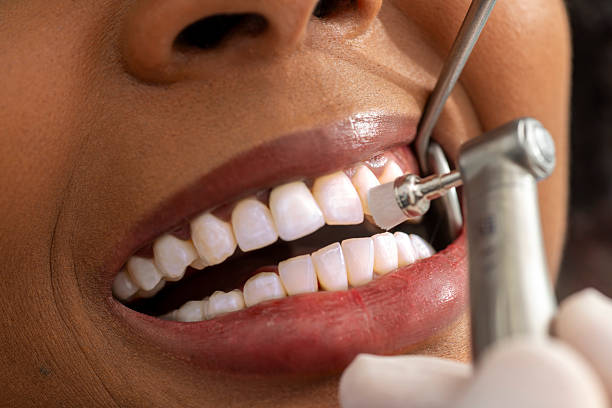
A regular dental cleaning, also called prophylaxis, is primarily preventive care for patients without active periodontal disease, while periodontal maintenance is ongoing care generally recommended after treatment for periodontitis—a form of gum disease that damages the tissues supporting your teeth. This type of periodontal cleaning goes beyond a routine cleaning: your dental team monitors previously affected tissues, cleans above and below the gumline as needed, and reassesses gum pocket depths and inflammation to watch for signs of disease returning.
At Heather J. Petroff, DDS in Broadview Heights, OH, your gum health and treatment history help guide the type of professional teeth cleaning you need. If you have previously received periodontal therapy, you may need a different maintenance schedule than someone receiving routine preventive cleanings.
What Is Periodontal Maintenance?
Periodontal maintenance is ongoing professional care after periodontal disease treatment that helps control the disease and monitor the stability of your gums and the tissues supporting your teeth. It is part of long-term periodontal care for people who have been treated for periodontitis.
Periodontitis can damage periodontal attachment—the connection between your teeth and the surrounding tissues—and reduce the bone support that holds teeth in place. It can also create deeper periodontal pockets, or spaces between the teeth and gums, where plaque, a sticky bacterial biofilm, and calculus (hardened plaque) can collect.
Periodontal therapy addresses this buildup and helps bring the disease under control. Once active treatment is complete, a periodontal maintenance cleaning helps maintain those improvements through continued cleaning and reassessment. Your dental team checks pocket depths, bleeding, and gum inflammation, evaluates the supporting tissues, and watches for signs of recurrence or progression.
That makes gum disease maintenance more than a “more thorough normal cleaning.” The care is guided by your previous periodontal disease, your response to treatment, and the condition of your gums at each visit.
Who Typically Needs Periodontal Maintenance?
Periodontal maintenance is commonly recommended for patients who have received treatment for periodontitis, including scaling and root planing or other periodontal therapy. Scaling and root planing removes bacterial buildup and calculus from tooth surfaces below the gumline.
When recommending maintenance, your dental team considers your clinical history, including previous attachment or bone loss, deeper periodontal pockets, and patterns of bleeding or inflammation. They also assess how your gums have responded to treatment and whether any areas need closer attention.
Even when your gums feel comfortable and look healthier, that treatment history still matters. Maintenance helps your team follow previously affected areas over time and respond to changes.
Is Periodontal Maintenance Permanent?
For many patients, periodontal maintenance remains a long-term part of their dental care. Treatment can bring periodontitis under control, but a deep cleaning does not mean the disease is permanently cured. The risk of recurrence or progression remains, even after inflammation improves.
Your maintenance recommendations depend on both your periodontal history and your current condition. Your dental team will reassess your gum health and recommend a schedule that supports continued stability, adjusting it when appropriate.
What Is a Regular Dental Cleaning?
A regular dental cleaning, also called dental prophylaxis, is a preventive dental cleaning for patients whose periodontal condition does not require periodontal maintenance or active gum disease treatment. Its purpose is to remove buildup from your teeth and support ongoing oral health.
During a routine dental cleaning, your dental professional removes plaque and calculus, also known as tartar, that brushing and flossing cannot fully remove at home. Your teeth may also be polished where appropriate to remove surface stains.
This professional teeth cleaning is part of preventive care that includes routine oral-health monitoring. Your dental team checks for changes in your teeth and gums and offers guidance on brushing, cleaning between teeth, and other habits that help keep your mouth healthy between visits.
Who Is a Routine Dental Cleaning Designed For?
Routine teeth cleaning is generally appropriate for patients who do not have a periodontal history or current diagnosis that calls for periodontal maintenance or active treatment. Your dental team considers your gum health, previous treatment, and clinical findings when recommending the right type of cleaning.
A regular dental cleaning is effective preventive care for the patients it is designed to serve. Periodontal maintenance serves a different clinical purpose: helping control previously treated periodontitis and monitoring the tissues affected by it. The right choice depends on your care needs
Periodontal Maintenance vs Regular Cleaning: What Actually Changes?
The main difference is the purpose of the visit and the condition your dental team is managing. A regular dental cleaning supports preventive oral health. Periodontal maintenance helps preserve the results of periodontal treatment while monitoring areas where periodontitis has affected the gums and supporting tissues.
Both involve professional cleaning and attention to gum health. Your periodontal history determines which areas need closer monitoring, how cleaning is tailored, and when you should return.
| Attribute | Regular Dental Cleaning | Periodontal Maintenance |
|---|---|---|
| Primary Purpose | Support preventive hygiene and oral health | Maintain periodontal stability after treatment |
| Typical Patient | No periodontal history or current condition requiring maintenance or active treatment | History of treated periodontitis |
| Areas Evaluated | Teeth and gums as part of preventive care | Teeth and gums, with closer attention to previously affected periodontal tissues |
| Below-Gum Cleaning | Based on clinical need | Greater emphasis on periodontal pockets and root surfaces as needed |
| Pocket Monitoring | Periodontal assessment as appropriate | Reassessment to help monitor disease stability |
| Recall Frequency | Individualized to the patient’s needs | Often more frequent, based on periodontal risk and findings |
| Long-Term Goal | Help prevent dental and gum disease | Help reduce the risk of periodontal recurrence or progression |
Your Treatment History Guides the Visit
After treatment for periodontitis, healthier-looking gums are an encouraging sign. However, previous attachment loss or bone loss remains relevant to your care. Your dental team uses that history, along with current findings, to identify areas that may be harder to keep clean or need closer observation.
A routine cleaning is guided by preventive needs. Periodontal maintenance also considers whether previously treated disease remains stable.
Cleaning Is Tailored to Your Periodontal Condition
Both types of cleaning remove plaque and calculus. During periodontal maintenance, your dental professional pays particular attention to periodontal pockets and cleans above and below the gumline as needed.
The amount and location of cleaning can vary from visit to visit. Periodontal maintenance does not mean every tooth needs intensive cleaning every time, and it is not automatically a repeat of your initial scaling and root planing. Your team tailors the care to the buildup and periodontal findings present that day.
Reassessment Helps Identify Changes
Gum health is monitored during preventive care, too. With periodontal maintenance, reassessment is especially important because your team is following a disease that has already affected the tissues supporting your teeth.
Pocket depths, bleeding, and inflammation help your team evaluate stability over time. Changes in these findings may prompt closer monitoring or further evaluation to determine whether additional treatment is needed.
Your Return Schedule Reflects Your Needs
Neither type of cleaning follows a single schedule that suits everyone. Periodontal maintenance is often recommended more frequently because previously treated periodontitis carries an ongoing risk of recurrence or progression.
Your dental team considers your treatment response, remaining pockets, inflammation, home care, and other risk factors when recommending your next visit. The goal is to give your gums the support they need to remain stable.
Is Periodontal Maintenance the Same as a Deep Cleaning?
No. Scaling and root planing, often called a “deep cleaning,” is active periodontal treatment, while periodontal maintenance is the ongoing care that may follow active treatment. Although “periodontal cleaning” can refer broadly to cleaning associated with gum disease care, these procedures serve different purposes.
Care generally moves from diagnosis to active periodontal therapy, followed by healing and re-evaluation. When the disease is sufficiently controlled, periodontal maintenance helps preserve the treatment results and monitor your gum health over time.
What Happens During Scaling and Root Planing?
Scaling and root planing removes plaque and calculus from tooth surfaces below the gumline, including the roots within periodontal pockets. This treatment helps reduce the bacterial buildup contributing to inflammation and gives the tissues an opportunity to heal.
For a closer look at active treatment, read our article, Deep Cleanings vs Periodontal Therapy.
What Happens After Active Gum Disease Treatment?
After treatment, your dental team allows time for healing before re-evaluating your gums. They reassess periodontal measurements, including pocket depths, and check for bleeding and inflammation to see how the tissues have responded. These findings help determine whether you are ready for maintenance or whether some areas need additional treatment.
Your team then recommends a periodontal maintenance interval based on your treatment response, remaining pockets, and individual risk factors. During these ongoing visits, they continue managing plaque and calculus, review your home care, and compare periodontal findings over time.
Maintenance gives your team regular opportunities to identify changes and address concerns before further damage occurs. If signs of active disease return, additional periodontal therapy may be needed.
What Happens During a Periodontal Maintenance Appointment?
A periodontal maintenance appointment combines professional cleaning with an assessment of how your gums are doing after treatment. The details vary with your periodontal history and current needs, but the visit generally includes reassessment, removal of bacterial buildup, and guidance for caring for your teeth and gums at home.
Your Gums and Periodontal Pockets Are Re-Evaluated
Your dentist or hygienist uses periodontal probing to measure the spaces between your teeth and gums. They assess pocket depths, note bleeding on probing and inflammation, and check for gum recession.
Comparing these findings with previous visits helps your team understand whether your periodontal condition remains stable. A measurement is considered alongside other findings and your treatment history to determine whether an area needs closer attention.
To learn more about these numbers, read What Do Your Gum Pocket Measurements Mean During a Dental Exam?
Plaque and Tartar Are Removed Above and Below the Gumline as Needed
Your dental professional removes plaque—the bacterial biofilm that collects on teeth—and calculus, or hardened tartar, from above the gumline. They also remove deposits below the gumline where needed, paying attention to periodontal pockets and root surfaces that are difficult to clean at home.
The cleaning is tailored to the areas where buildup is present and the condition of the surrounding tissues. Even with consistent brushing and cleaning between teeth, some periodontal areas need professional care to manage deposits you cannot reach or remove yourself.
Your Dentist or Hygienist Looks for Signs of Periodontal Recurrence
Your team looks for changes that could suggest renewed disease activity, such as increasing pocket depths, persistent or new bleeding, and inflammation. They also assess changes in periodontal attachment and, where relevant, tooth mobility.
These findings are evaluated together. Bleeding alone does not establish that periodontitis has progressed, but it deserves attention. If the overall assessment suggests recurrence, your dentist may recommend further evaluation or additional treatment.
Your Home-Care Routine May Be Adjusted
Your dentist or hygienist may review your brushing technique and how you clean between your teeth. Depending on the spaces between teeth, gum recession, and other needs, recommendations may include floss, appropriately sized interdental brushes, or a water flosser.
Guidance can also be specific to one area—for example, how to clean around a tooth with an exposed root or a space that traps plaque. The goal is to make your daily routine practical and effective. Home care supports periodontal treatment and maintenance, but it does not replace them.
Why Periodontal Maintenance May Be Recommended More Often Than Routine Cleanings
Periodontal maintenance frequency is based on your disease history, current gum health, and individual risk of recurrence or progression. More frequent visits provide opportunities to manage bacterial buildup and monitor previously affected tissues when a longer interval may not offer enough support.
To recommend your periodontal maintenance schedule, your dental team considers:
- Previous periodontitis: How severe the disease was and the extent of attachment or bone loss.
- Current periodontal findings: Remaining pocket depths, bleeding, and inflammation.
- Plaque accumulation and home hygiene: Where buildup collects and how effectively you can clean those areas.
- Smoking: A risk factor that can affect periodontal health and treatment response.
- Diabetes and other health considerations: Particularly how well diabetes is controlled, along with relevant changes in your medical history.
- Response to treatment: How well your tissues healed and whether they have remained stable.
If you are wondering how often periodontal cleaning is needed, the answer comes from this overall assessment. Your team should explain which findings guide your recommendation and how the schedule supports your gum health.
Why Three- or Four-Month Intervals May Be Recommended for Some Patients
Some patients benefit from periodontal maintenance every three or four months. Bacterial biofilm can build up again after professional cleaning, particularly in pockets that are difficult to reach at home. Shorter intervals allow your team to manage that buildup and reassess the tissues more frequently.
This schedule may be appropriate when deeper pockets remain, inflammation persists, or other factors increase the risk of disease returning. However, three months is not a universal standard, and bacteria do not follow a fixed timetable that makes the same interval right for everyone. Gum disease maintenance is tailored to your clinical needs.
Can Your Maintenance Schedule Change Over Time?
Yes. Your periodontal condition is reassessed over time, and your maintenance interval may change with it. Sustained stability, effective home care, and improved risk factors may support a longer interval for some patients. New inflammation, increasing pocket depths, or changes in health may call for closer follow-up or additional treatment.
A change in scheduling does not erase your periodontal history. Your team continues to consider both past disease and current findings when planning your care.
For more about individualized visit schedules, read How Often Should You Have a Dental Exam and Cleaning?
What Happens If You Skip Periodontal Maintenance?
Skipping periodontal maintenance can allow plaque and bacterial biofilm to accumulate, especially in periodontal pockets that are difficult to clean at home. Some plaque can harden into calculus, which requires professional removal. Longer gaps between visits also mean fewer opportunities to identify changes in your gum health.
For some patients, this buildup contributes to recurrent inflammation and renewed disease activity. Periodontal pockets may deepen, and uncontrolled periodontitis can lead to further loss of attachment and bone support around the teeth.
Progression varies from person to person. Missing one appointment does not automatically mean your disease has worsened, but repeated or extended gaps can make it harder to maintain stability. Your risk depends on your periodontal history, home care, smoking, health conditions, and other individual factors.
If you are overdue, scheduling a visit gives your dental team a chance to reassess your gums and determine what care you need now. You can also discuss any barriers—such as anxiety, cost, or a busy schedule—so your team can help you plan your ongoing care.
Can Good Home Care Replace Periodontal Maintenance?
Generally, no. If your dentist has determined that periodontal maintenance is needed, good home care supports that care but cannot replace it. Brushing and cleaning between your teeth help control plaque, but they cannot reliably reach every deposit below the gumline or remove hardened calculus.
Professional maintenance also includes periodontal measurements and evaluation of the tissues supporting your teeth. These assessments help your team identify changes you may not be able to see or feel at home.
If you are searching for periodontal cleaning at home or periodontitis treatment at home, it helps to understand the limits of daily hygiene. Home care for periodontal disease is essential, but it cannot eliminate established periodontitis or restore lost attachment and bone support on its own. Managing the disease requires professional assessment, appropriate treatment, and ongoing care.
What Can You Do at Home to Support Periodontal Health?
Knowing how to take care of periodontal disease at home starts with recommendations tailored to your mouth. Your dental team can help you build a routine that includes:
- Brushing twice daily: Use fluoride toothpaste and a soft-bristled toothbrush, with gentle attention to the gumline.
- Cleaning between your teeth daily: Use floss, appropriately sized interdental brushes, or a water flosser as recommended.
- Following guidance for specific areas: Teeth with recession, exposed roots, or spaces that trap plaque may need a different cleaning approach.
- Avoiding tobacco and managing relevant health conditions: Smoking cessation and diabetes management can support periodontal health.
- Reporting changes: Let your dental team know about new or persistent bleeding, swelling, or changes in how your teeth feel.
Effective periodontal disease home care works alongside professional maintenance. If an area remains difficult to clean or continues to bleed, ask your dentist or hygienist to review your technique and assess whether it needs additional care.
How Do You Know Whether You Need Regular Cleaning or Periodontal Maintenance?
The right type of cleaning depends on a periodontal exam and your dental history. How your gums look or feel is only part of the picture: previously treated periodontitis can remain relevant even when you have no noticeable symptoms.
During a gum health evaluation, your dentist or hygienist reviews:
- Probing depths: Periodontal measurements show the depth of the spaces between your teeth and gums.
- Bleeding and inflammation: These findings help your team assess tissue health alongside other clinical signs.
- Clinical attachment: Your team evaluates the support connecting your teeth to the surrounding tissues, including evidence of previous attachment loss.
- Bone levels: When indicated, dental X-rays help assess the bone supporting your teeth.
- Previous diagnosis and treatment: A history of periodontitis, scaling and root planing, or other periodontal therapy helps guide ongoing care.
Together, these findings inform a periodontal disease diagnosis or an assessment of whether previously treated disease remains stable. Your dentist can then recommend routine preventive cleaning, periodontal maintenance, or active treatment if needed.
At Heather J. Petroff, DDS in Broadview Heights, OH, a gum health evaluation can help clarify your care needs. If you are unsure why a particular cleaning has been recommended, ask your team to explain your periodontal measurements and how your treatment history affects the plan.
Periodontal Maintenance in Broadview Heights, OH
At Heather J. Petroff, DDS, understanding your gum health starts with an evaluation and a conversation about your dental history. Dr. Petroff and her team assess your periodontal condition, explain the findings, and help you understand which type of care is appropriate.
If your evaluation identifies periodontitis, periodontal therapy may be recommended to address active disease. After treatment and re-evaluation, periodontal maintenance can help support stability through continued cleaning and monitoring. Routine preventive care remains part of protecting your overall oral health throughout this process.
Whether you are looking for a dental cleaning in Broadview Heights or continuing care after gum disease treatment, your recommendation should reflect your individual needs. If dental anxiety or a gap in care has made scheduling difficult, share those concerns with the team so they can help you feel more comfortable taking the next step.
Schedule a gum health evaluation with Heather J. Petroff, DDS in Broadview Heights, OH, to learn whether regular cleaning, periodontal treatment, or ongoing maintenance is right for you.
FAQs About Periodontal Maintenance
How often do you need periodontal maintenance?
Your periodontal maintenance schedule depends on your disease history, current gum health, and individual risk factors. Some patients benefit from visits every three or four months, while others may need a different interval. Your dental team reassesses the schedule based on pocket depths, inflammation, home care, and treatment response.
Is periodontal maintenance the same as a deep cleaning?
No. A deep cleaning, or scaling and root planing, is active treatment that removes plaque and calculus from tooth surfaces below the gumline. Periodontal maintenance is ongoing care after treatment that helps maintain disease control and monitor periodontal stability.
Can I go back to regular cleanings after periodontal treatment?
Not automatically; your dentist must consider your periodontal history and current condition before recommending a change. Even when your gums improve, previous periodontitis carries an ongoing risk of recurrence or progression. Your visit frequency may change, but periodontal maintenance often remains appropriate long term.
Does periodontal maintenance hurt?
Comfort varies depending on gum sensitivity, inflammation, and the areas being cleaned. Some patients experience tenderness during or after the appointment, particularly around exposed roots or deeper pockets. Tell your dental team if you are sensitive or anxious so they can discuss ways to keep you comfortable, including local anesthetic when appropriate.
Can periodontal disease come back after treatment?
Yes. Periodontitis can become active again after successful treatment, which is why ongoing monitoring matters. Consistent home care, periodontal maintenance, and management of risk factors such as smoking and diabetes help reduce the risk of recurrence or progression.
Can I manage periodontal disease at home?
Home care is essential, but it cannot replace professional treatment or maintenance when those are indicated. Brushing and cleaning between your teeth help control plaque, but they cannot remove hardened calculus or reliably clean every periodontal pocket. Your dental team can recommend techniques and tools that support your professional care.
What happens if I miss a periodontal maintenance appointment?
Missing one appointment does not automatically mean your periodontal disease has progressed. However, a longer gap allows more time for bacterial buildup and delays assessment of changes in your gums. Contact your dental team to reschedule and ask whether the delay affects your care plan.