
When Is Full-Mouth Restoration Necessary? Signs You May Need Comprehensive Dental Treatment in Broadview Heights, OH
Full-mouth restoration may be considered when several teeth or their supporting structures are compromised and individual repairs can’t restore comfortable, stable function. Common reasons include extensive tooth wear, multiple damaged or missing teeth, failing restorations, and an unstable bite. It doesn’t always mean replacing every tooth, and many plans preserve healthy natural teeth. Patients in Broadview Heights can have an individualized assessment to see whether coordinated treatment or more limited care fits their needs.
What Is Full-Mouth Restoration, and When Is It Recommended?
Full-mouth restoration is a coordinated treatment plan that repairs or replaces multiple teeth to restore dental health and function. A single crown or filling fixes one problem. A full-mouth plan addresses several problems that affect each other across your bite. It’s usually recommended when individual repairs alone are unlikely to hold up.
You may also hear the terms full-mouth reconstruction or full-mouth rehabilitation. Dentists sometimes use these words differently. Some use “reconstruction” for more extensive rebuilding, while “rehabilitation” emphasizes restoring function. In practice, the meaning depends on the clinical situation.
How Full-Mouth Restoration Differs From Individual Tooth Repairs
An individual repair treats one localized problem, such as a cavity or a cracked cusp. A full-mouth plan coordinates treatment across the upper and lower teeth so each restoration works with the others.
The condition of one tooth often shapes decisions about others. A weak tooth may not be strong enough to anchor a bridge. A missing molar can shift chewing pressure onto its neighbors. A new crown made to fit a heavily worn bite may not fit well if the opposing teeth are rebuilt later.
Does Full-Mouth Restoration Mean Every Tooth Must Be Replaced?
No. Despite the name, full-mouth restoration rarely involves treating every tooth the same way.
A typical plan includes a mix of approaches:
- Healthy natural teeth are preserved and simply maintained.
- Damaged teeth are repaired with fillings, onlays, or crowns.
- Missing teeth are replaced where replacement is indicated.
Many plans involve fewer teeth than the name suggests.
Is Full-Mouth Restoration Primarily Cosmetic or Functional?
In this context, it’s primarily functional. When dentists consider full-mouth restoration for damaged or missing teeth, the main priorities are:
- Restoring chewing function
- Preserving as many natural teeth as possible
- Creating a stable bite
- Managing active dental disease, such as decay or gum disease
- Improving the long-term prognosis of each restoration
Your smile may look better afterward. Appearance is usually a welcome result, though, and not the reason treatment is recommended.
What Are the Signs You May Need Full-Mouth Restoration?
Signs that may point toward full-mouth restoration include widespread structural damage, several missing teeth, and multiple failing restorations. Chewing problems, significant wear, and active disease affecting many teeth can also play a role. No single sign decides it. What matters is how the problems connect across your bite.
Multiple Broken, Cracked, or Severely Worn Teeth
When damage affects several teeth at once, repairing them one at a time can leave uneven heights and an unstable bite. A coordinated plan rebuilds them to work together.
Common forms of widespread damage include:
- Attrition, which is tooth-to-tooth wear from chewing or grinding
- Fractures and cracks in several teeth
- Weakened or broken cusps on back teeth
- Reduced chewing efficiency, where food takes more effort to break down
Several Missing Teeth Affecting Your Bite
Back teeth provide what dentists call posterior support. They hold your bite open at the right height and absorb most chewing force. When several are missing, the remaining teeth carry more load.
Over time, neighboring teeth may drift or tilt into gaps. Opposing teeth can move toward the empty space. These shifts can change your occlusion, which is the way your upper and lower teeth meet. That said, one missing tooth rarely calls for full-mouth treatment. The number, location, and effect of the gaps all matter.
Multiple Failing Crowns, Fillings, or Bridges
Dental work placed over many years doesn’t always age evenly. Several restorations may develop problems around the same time.
Warning signs include recurrent decay around the edges of fillings or crowns, chipped or fractured restorations, and a bite that no longer feels even. When many restorations are failing, a full reassessment often makes more sense than replacing them one by one.
Difficulty Chewing or Biting Comfortably
You may notice yourself chewing on one side, cutting food into small pieces, or avoiding certain foods. Restorations may feel loose or uneven.
Chewing difficulty has many possible causes. Damaged teeth, gum disease, missing teeth, and jaw joint problems can all play a role. A dental examination is needed to find the source before any treatment is planned.
Significant Tooth Wear or Loss of Bite Height
Severe wear can shorten teeth over time. In some cases, this may reduce the occlusal vertical dimension, which is the distance between your upper and lower jaws when your teeth close together.
Worn teeth don’t automatically mean a collapsed bite. In many people, the teeth and supporting bone gradually adjust as wear happens. Your dentist will evaluate whether your bite height has actually changed.
Extensive Decay or Periodontal Problems Affecting Multiple Teeth
Active disease needs attention before permanent restorations are placed. Crowns or bridges built on decaying teeth or inflamed gums are less likely to last.
That’s why many plans begin with cavity treatment, infection management, or periodontal therapy. Once the mouth is stable, restorative work has a healthier foundation.
What Dental Conditions Can Lead to Complex Restorative Needs?
Several underlying conditions can cause damage across many teeth. Identifying the cause matters because restorations may break down again if it isn’t addressed.
Advanced Tooth Decay and Recurrent Cavities
Some patients develop multiple cavities at once or keep getting new decay around older fillings. Each new restoration removes more tooth structure.
Over time, teeth may be left with thin walls and little healthy structure to support repairs. At that point, planning several teeth together often protects what remains.
Long-Term Teeth Grinding and Excessive Tooth Wear
Bruxism is the habit of grinding or clenching your teeth, often during sleep. Over years, it can wear away enamel, flatten chewing surfaces, and increase the risk of fractures.
Restorative treatment can rebuild worn teeth, but it doesn’t cure bruxism. A custom night guard is often recommended to protect new restorations. For patients whose grinding comes with jaw pain or clenching symptoms, Dr. Petroff also provides TMJ treatment.
Dental Erosion From Acid Exposure
Erosion is the loss of enamel from acid rather than bacteria. According to the American Dental Association’s MouthHealthy resource, acid reflux can bring stomach acid into the mouth throughout the day. Once tooth erosion occurs, it’s permanent. Frequent acidic drinks, such as sodas, fruit juices, and sports drinks, can also wear away enamel.
Erosion can leave teeth thinner, more sensitive, and easier to chip. Restorations can rebuild lost structures. If reflux is a factor, it’s worth discussing with your physician, since dental treatment doesn’t address the source of the acid.
Gum Disease and Loss of Tooth Support
Gum disease affects the tissues and bone that hold teeth in place. The National Institute of Dental and Craniofacial Research notes that untreated periodontal (gum) disease can spread to the surrounding bone. In the worst cases, teeth may become loose or need removal.
In a restorative plan, each tooth’s periodontal prognosis matters. A tooth with significant attachment loss or mobility may not be a reliable anchor for a bridge or crown.
Previous Dental Treatments That No Longer Function Well Together
Restorations placed at different times may not fit together as a system. One crown may sit slightly higher than its neighbors. A filling may create a bite interference, a spot where teeth touch too early when you close.
These mismatches can lead to uneven wear, fractures, or discomfort. Replacement decisions can also get complicated. Replacing one tooth in a bridge, for example, usually means replacing the whole bridge.
How Do Dentists Determine Whether Full-Mouth Restoration Is Necessary?
The decision starts with comprehensive dental exams that look at every tooth, the gums, and your bite. Your dentist then weighs several key factors before recommending a coordinated plan or more limited care.
Evaluating Which Natural Teeth Can Be Preserved
Each tooth is assessed for restorability, periodontal support, root condition, and long-term prognosis. Teeth that can be restored predictably are usually kept. Teeth with a poor outlook may be planned for replacement.
For a closer look at how dentists make that call, see our guide to saving or replacing damaged teeth.
Assessing Missing Teeth and Bite Stability
Your dentist checks how many back teeth support your bite and where your teeth make contact. The goal is to understand how chewing forces are distributed. Uneven contacts can overload certain teeth and shorten the life of restorations.
Reviewing the Condition of Existing Dental Restorations
Crowns, bridges, fillings, and implant-supported restorations are all reviewed. Your dentist looks for decay at the edges, fractures, wear, and whether each restoration still fits your current bite. Some may be kept as they are, while others may need replacement as part of the plan.
Considering Medical History and Overall Oral Health
Your health history can shape the plan. Some conditions, such as diabetes, can affect gum health and healing. Certain medications can reduce saliva, which raises the risk of decay. MouthHealthy notes that many acid reflux medicines can cause dry mouth.
Your goals matter too. Time, budget, and comfort with different procedures all influence which approach makes sense.
What Treatments May Be Included in Full-Mouth Restoration?
Full-mouth restoration combines treatments based on what each tooth needs. The most common categories are outlined below.
Dental Crowns for Weakened or Damaged Teeth
A crown covers the entire visible part of a tooth. It strengthens weakened structure and restores a proper chewing surface. In a full-mouth plan, crowns can also help re-establish even contacts across the bite. Dr. Petroff uses crowns and bridges to rebuild weakened teeth and replace missing ones.
Dental Bridges for Missing Teeth
A bridge replaces one or more missing teeth with a fixed restoration anchored to neighboring teeth or implants. Tooth-supported bridges depend on healthy, stable anchor teeth. If those teeth are weak, another option may be more reliable.
Dental Implants and Implant-Supported Restorations
An implant replaces a tooth root and can support a crown, bridge, or denture. Treatment has two parts: surgical placement of the implant and the restoration attached to it. At Heather J. Petroff, DDS, patients are referred to an oral surgeon for placement, and Dr. Petroff restores the implants once healing is complete. You can review the practice’s dental implant treatment options for more detail.
Periodontal and Other Preparatory Treatments
Before permanent restorations are placed, active problems such as gum disease, cavities, infections, or unsaveable teeth usually need attention. This preparatory care gives the final restorations a stable foundation.
Protective Appliances and Long-Term Maintenance
Restorations need ongoing care. If you grind your teeth, a night guard may be recommended to protect your new work. The practice fits therapeutic mouthguards for patients who grind their teeth at night.
Regular cleanings, home care, and routine checkups help your dentist catch small problems early.
How Can Full-Mouth Restoration Improve Chewing and Everyday Function?
A well-planned restoration aims to give you a stable, comfortable bite where teeth share chewing forces evenly. Results depend on your starting condition and how well the restorations are maintained.
Rebuilding Stable Contacts Between Upper and Lower Teeth
Balanced occlusion means your upper and lower teeth meet evenly when you close and chew. A coordinated plan rebuilds these contacts so no single tooth takes too much pressure.
Restoring the Ability to Chew a Wider Variety of Foods
When chewing is comfortable again, many people find it easier to eat foods they had been avoiding. Raw vegetables, nuts, and firmer proteins are common examples. Better chewing doesn’t guarantee better nutrition, but it removes one barrier.
Protecting Remaining Teeth From Uneven Forces
When chewing loads are spread evenly, natural teeth and restorations are less likely to crack or wear unevenly. Managing risk factors, such as grinding or acid exposure, adds another layer of protection.
Supporting Long-Term Oral Health and Maintenance
Restorations are durable, but they aren’t permanent. Crowns can chip, margins can develop decay, and bites can change over time. Regular monitoring helps keep your results working well.
Is Full-Mouth Restoration Always Necessary When Several Teeth Are Damaged?
No. Having several damaged teeth doesn’t automatically mean you need full-mouth treatment. Many patients do well with targeted restorations, preventive care, or treatment completed in stages.
| Factor | Targeted treatment | Coordinated full-mouth plan |
| Typical situation | Problems limited to specific teeth | Problems that affect each other across the bite |
| Bite | Stable and even | Unstable, worn, or uneven |
| Gum and bone health | Generally healthy | May need stabilization first |
| Planning approach | Tooth by tooth | All teeth considered together |
When Individual Crowns or Fillings May Be Enough
If damage is localized and your bite is stable, treating each tooth as needed is often the simplest and most conservative choice. A cracked molar or a few cavities can usually be repaired individually.
When a Coordinated Treatment Plan Becomes More Appropriate
A coordinated plan becomes more appropriate when structural and functional problems are linked. Examples include widespread wear combined with missing back teeth, or several failing restorations that no longer match your bite. In these cases, treating one tooth at a time may create new problems elsewhere.
Can Full-Mouth Restoration Be Completed in Stages?
Yes, and many plans are. Treatment often begins by stabilizing active disease. Provisional restorations, which are temporary versions, may follow to test your bite and comfort. Definitive restorations come next, followed by ongoing maintenance. Your dentist will recommend an order based on your needs.
Full-Mouth Restoration and Whole-Body Health: Why Oral Function Matters
Your mouth affects more of daily life than you might expect. When chewing is uncomfortable, meals can become something to manage instead of enjoy. People with damaged or missing teeth may choose softer, more processed foods. Some feel self-conscious eating in front of others, which can affect social meals and quality of life.
Restoring function can make everyday eating more comfortable and give you more food choices. That’s a meaningful benefit, but it has limits. Full-mouth restoration does not treat diabetes, heart disease, digestive conditions, or other systemic illnesses.
The relationship also works in the other direction. Your general health can influence your dental plan. Medical conditions, medications, and healing ability all help determine which treatments are appropriate and how they’re timed. Sharing your full medical history helps your dentist plan safely.
Full-Mouth Restoration in Broadview Heights, OH: Understanding Your Options
When you’re dealing with several dental concerns at once, it helps to have them evaluated together. At Heather J. Petroff, DDS, Dr. Petroff looks at your teeth, gums, and bite as a whole before recommending treatment.
Her restorative care includes tooth-colored fillings, porcelain inlays and onlays, crowns, bridges, periodontal therapy, night guards, and implant restorations. When surgical care is needed, she coordinates with oral surgeons. If more than one approach could work, she explains the benefits and limitations of each so you can choose the plan that fits your goals.
Dr. Petroff grew up in Broadview Heights and welcomes patients from the area and nearby communities such as Brecksville and North Royalton.
FAQs About Full-Mouth Restoration
How do I know if I need full-mouth restoration?
You’ll need a dental evaluation to know for sure. Multiple problems, such as several worn or broken teeth, missing teeth, failing restorations, or trouble chewing, are good reasons to schedule one. Your dentist can then tell you whether coordinated treatment or targeted care makes more sense.
Can full-mouth restoration save my natural teeth?
Yes, preserving restorable teeth is often a central part of the plan. Teeth with healthy roots and good bone support are usually kept and repaired. Only teeth with a poor long-term outlook are typically planned for replacement.
Is full-mouth restoration the same as getting dentures?
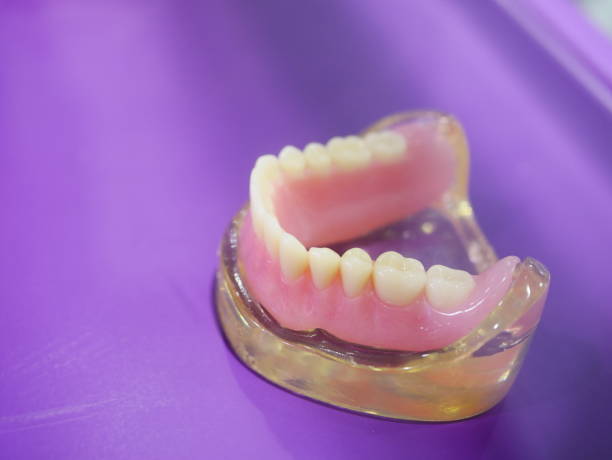
No. Dentures are one way to replace many missing teeth. A full-mouth plan may include dentures, implant-retained dentures, crowns, bridges, or a combination, depending on your needs. Many full-mouth plans don’t involve dentures at all.
Do I need full-mouth restoration if I have several crowns?
Not necessarily. Having several crowns isn’t a problem on its own. What matters is whether those crowns still fit well, protect the teeth underneath, and work with your bite.
Can dental implants be part of full-mouth restoration?
Yes. Implants can replace missing teeth and support crowns, bridges, or dentures within a larger plan.
Is full-mouth restoration painful?
Comfort depends on the procedures involved and your individual situation. Most restorative work is done with local anesthesia. For longer or more involved visits, the practice offers conscious sedation. Some soreness after certain procedures is normal and usually temporary.
Can full-mouth restoration improve my ability to chew?
It often can, since restoring chewing function is one of its main goals. Results depend on your starting condition, the treatments used, and how well the restorations are maintained. Your dentist can explain what’s realistic for your situation.
How long does full-mouth restoration take?
It varies with the complexity of your case. Simpler plans may take a few visits. Plans that involve gum treatment or implant healing can take many months.
Can full-mouth restoration be completed gradually?
Yes, when it’s clinically appropriate. Many plans are completed in phases, starting with urgent problems and stabilizing disease. Phasing can also help spread out time and cost.
Find Out Whether Coordinated Restorative Care Fits Your Needs
If you have several damaged, worn, or missing teeth, a restorative evaluation is the best place to start. Dr. Petroff will look for the causes behind the breakdown, review the condition of each tooth, and explain your options. That may be coordinated treatment, or it may be more limited care. To schedule a visit, contact our Broadview Heights office.