
How Dentists Restore a Collapsed Bite With Full-Mouth Restoration in Broadview Heights, OH
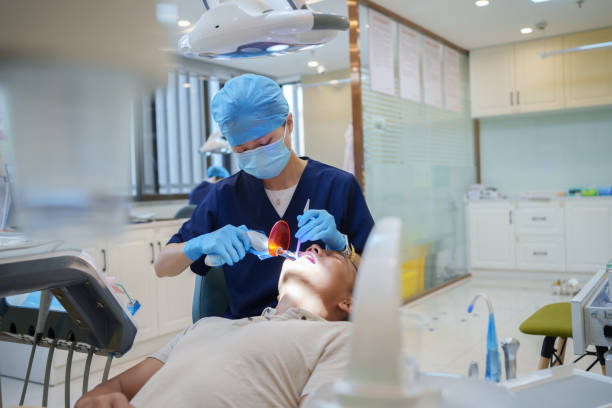
A collapsed bite is a term sometimes used for major changes in bite support, tooth position, or how the teeth meet. These changes are often linked to severe tooth wear, missing teeth, or broken-down teeth, but not all wear reduces bite height. At Heather J. Petroff, DDS, in Broadview Heights, OH, a thorough exam of chewing function, wear, and back-tooth support comes before any treatment decision.
If your teeth look shorter, your back teeth are missing, or your bite no longer feels right, this guide explains what may be happening. It covers the causes, signs, and diagnosis of bite collapse, plus how crowns, bridges, and implant-supported restorations can rebuild support.
What Is a Collapsed Bite?
A collapsed bite is a descriptive term that dentists may use when wear, tooth loss, or breakdown has changed the bite. Those changes can affect bite support, tooth position, and how the teeth work together during chewing. It isn’t a single diagnosis.
Ordinary wear is different. It develops slowly over a lifetime, and the bite usually stays well supported. A simple misaligned bite is different too. The teeth may be crooked, but they still meet with stable support.
How Upper and Lower Teeth Normally Support the Bite
In a stable bite, upper and lower teeth touch at many points when you close. These occlusal contacts share chewing forces across the whole arch, so no single tooth takes too much load.
Molars and premolars handle the grinding and crushing of food. Because they meet evenly on both sides, they also act like posts that keep your bite at a steady height. Front teeth guide the jaw through side-to-side and forward movements and take lighter biting forces.
What Happens When Bite Support Is Lost?
When several back teeth are lost or badly worn, fewer teeth carry the chewing load. Contacts become uneven, and more force lands on the remaining teeth, including front teeth that aren’t built for heavy chewing.
Teeth may then shift to fill open spaces. Over time, front teeth can fan outward (called flaring), chip, or wear faster. These changes usually happen gradually, often over years.
Does a Collapsed Bite Always Mean the Bite Has Become Shorter?
Not always. As teeth wear slowly, they often keep erupting, and the surrounding bone adapts with them. This keeps upper and lower teeth in contact.
According to a clinical review on bite height, this compensation can preserve the original bite height even when teeth look shorter. In other cases, such as rapid wear or the loss of several back teeth, bite height may actually decrease.
Compensation has a trade-off: space. Teeth that have erupted to keep up with wear may leave little room for new restorations. That’s why your vertical dimension, or bite height with the teeth together, has to be measured. It can’t be assumed from appearance alone.
What Causes a Collapsed Bite or Loss of Dental Support?
Bite collapse usually develops from more than one factor working together. None of these causes leads to collapse in every case.
Missing Back Teeth and Reduced Posterior Support
Bite collapse from missing teeth can begin when several molars or premolars are lost. Chewing may shift to one side or to the front of the mouth. The remaining teeth then absorb more force with each bite, which can speed up wear or lead to fractures. The impact can be greater when back teeth are missing on both sides.
Severe Tooth Wear From Grinding or Clenching
Grinding or clenching (bruxism) can wear teeth down through tooth-to-tooth contact, called attrition. Over time, biting surfaces flatten, and the visible part of each tooth gets shorter.
Heavy forces can also chip edges, crack teeth, and break off cusps. Many people grind during sleep and don’t realize it until a dentist points out the wear.
Dental Erosion and Progressive Loss of Tooth Structure
Erosion is chemical wear. Acids soften enamel, making it easier to wear away. Common sources include frequent acidic drinks, such as soda, sports drinks, or citrus juices.
Stomach acid from reflux or frequent vomiting can also reach the teeth. If reflux is suspected, your physician is the right person to evaluate it. When erosion and grinding happen together, tooth structure can wear away faster.
Multiple Broken Teeth or Failing Restorations
One broken tooth or failing crown may seem manageable on its own. Together, several can reduce the number of stable contacts in your bite.
Cracked fillings, loose crowns, and teeth lost to decay all gradually reduce support. Repairs done one tooth at a time may not account for how the whole bite works.
Tooth Movement After Long-Term Tooth Loss
When a tooth is missing for years, neighboring teeth may tip or drift into the gap. The opposing tooth can over-erupt, moving toward the empty space. These shifts can create uneven contacts and reduce the room available to replace the missing tooth later.
What Are the Signs of Bite Collapse?
Some signs of bite collapse are easy to notice. They also overlap with other dental problems, so they point toward an exam rather than a diagnosis. If several of these sound familiar, you can read more about when full-mouth restoration may be necessary.
Teeth That Look Shorter or More Worn Down
Teeth may look shorter, flatter, or more even in length than they used to. Front teeth may appear thin or see-through at the edges. Back teeth may have smooth, flat biting surfaces instead of defined cusps. Shorter-looking teeth don’t always mean your bite height has changed, which is one reason an exam matters.
Difficulty Chewing or Uneven Tooth Contact
When fewer teeth meet evenly, chewing can take more effort. You may notice that food is harder to break down or that you favor one side. Certain teeth may also feel sore when you bite. Some people start avoiding firm foods, such as raw vegetables or meat, without realizing why.
Repeatedly Breaking Crowns, Fillings, or Teeth
Crowns, fillings, or teeth that keep breaking can signal forces that the bite can’t distribute well. Underlying issues may include grinding, uneven contacts, or teeth weakened by large fillings. Repairing each one without addressing the cause may lead to the same failure.
Changes in the Way the Upper and Lower Teeth Meet
Some people describe a bite that doesn’t “fit” anymore. Teeth may feel like they meet differently, or new gaps may appear between front teeth. These changes often come from teeth shifting after tooth loss or wear.
Jaw Muscle Fatigue or Discomfort
Some people with heavy wear or grinding notice tired or sore jaw muscles, especially in the morning. This symptom has many possible causes, including clenching, stress, and joint problems.
A collapsed bite doesn’t necessarily lead to a jaw joint disorder. If jaw pain is your main concern, TMJ treatment options can be discussed separately.
How Do Dentists Diagnose a Collapsed Bite?
Treatment shouldn’t begin until the dentist understands what changed and why, which requires combining several findings.
Evaluating Tooth Wear and Remaining Tooth Structure
The dentist notes how severe the wear is, where it appears, and what pattern it follows. Patterns can point toward a cause. Flat, matching surfaces on opposing teeth often suggest grinding, while smooth, cupped areas may suggest acid erosion. The amount of remaining enamel and tooth structure helps determine which restorations are possible.
Measuring and Assessing the Vertical Dimension of Occlusion
The vertical dimension of occlusion is your bite height when your upper and lower teeth are together. It differs from your jaw’s resting position, where the teeth are slightly apart and the muscles are relaxed.
Dentists compare these positions, along with facial proportions and the space available for restorations. No single measurement settles the question, so the findings are weighed together.
Checking Posterior Support and Occlusal Contacts
The dentist checks which back teeth remain, how they meet, and where chewing forces land. Missing teeth, tipped teeth, and uneven contacts all affect whether your bite has stable support.
Evaluating Jaw Function and Muscle Symptoms
The dentist also checks jaw movement, joint sounds, and muscle tenderness. These findings guide planning, but the dentist doesn’t assume they have a single dental cause. Some patients may need jaw symptoms managed before or alongside restorative work.
Reviewing X-Rays and Restorative Records
X-rays show roots, supporting bone, and the condition of existing restorations. Models or digital scans help the dentist study the bite from every angle, and photos document the wear before treatment.
These records are part of a full-mouth restoration evaluation, which also includes a gum exam and a health history review.
How Can Full-Mouth Restoration Rebuild a Collapsed Bite?
Rebuilding a collapsed bite is called occlusal rehabilitation. The plan depends on what caused the collapse and how far it has progressed. Two patients with similar-looking teeth may need very different treatment.
Restoring Worn Teeth With Dental Crowns or Other Appropriate Restorations
Crowns are a common way to restore worn-down teeth. They rebuild a more functional tooth shape and protect cracked or weakened structures. They also restore defined contacts with the opposing teeth.
When enough enamel remains, onlays or bonded restorations may be more conservative options.
Replacing Missing Posterior Teeth With Bridges or Implant Restorations
Replacing missing molars or premolars gives your bite more teeth to share chewing forces. It also helps keep neighboring and opposing teeth from drifting or over-erupting into the gap. A bridge uses neighboring teeth for support. An implant restoration replaces the tooth without relying on neighbors, as long as enough bone is present.
Dr. Petroff refers patients to an oral surgeon for implant placement, then restores the implants herself. You can explore the practice’s implant dentistry services to learn how that process works.
Rebuilding Appropriate Bite Relationships
Occlusal rehabilitation aims to create stable, even contacts in a comfortable jaw position. Before making any change, the dentist considers jaw position, available restorative space, and chewing function.
Some patients need an increase in bite height to make room for restorations. Many do not. When an increase is appropriate, clinical guidance generally favors the smallest change that meets the restorative need.
Using Provisional Restorations to Evaluate Function
When a bite change is planned, provisional restorations let you live with the new bite before anything is permanent. You may wear them for several weeks or longer while your jaw muscles adjust.
During that time, the dentist checks how the new bite handles everyday chewing, speaking, and any clenching. If something feels off, the provisionals can be adjusted. This step is especially useful when bite height is changing.
Completing Definitive Restorations After Functional Assessment
Once the provisional bite proves comfortable and stable, the dentist uses it as a guide for the final restorations. The dental lab can copy its shape and contacts into stronger, longer-lasting materials. Final restorations are designed with appropriate tooth anatomy, even contacts, and smooth edges that are easier to keep clean.
Can a Collapsed Bite Be Restored Without Replacing Every Tooth?
Often, yes. Full-mouth rehabilitation doesn’t automatically mean crowns on every tooth. The scope depends on how many teeth are damaged and which ones still provide stable support.
When Existing Teeth Can Be Preserved
Teeth with sound structure, healthy gums, and stable restorations can often stay as they are. Keeping them protects natural tooth structure and can simplify treatment. Our guide to saving damaged natural teeth explains how those decisions are made.
When Only Selected Teeth Need Reconstruction
Sometimes only one area has collapsed, such as worn lower back teeth opposite healthy upper teeth. In that case, targeted treatment may rebuild just that segment while matching the existing bite.
When Multiple Restorations Must Be Coordinated
When both arches are affected, restorations must be planned together. Upper and lower teeth work as a pair, so changing one arch affects the other. Coordinated planning keeps contacts even across your whole mouth.
How Do Dentists Protect a Rebuilt Bite From Future Damage?
A rebuilt bite still faces the same forces that caused the original damage, such as grinding, acid, or gum disease. Ongoing care helps protect your restorations over time.
Monitoring Restorations and Bite Contacts
Regular exams let the dentist check restorations for wear, chips, and cracks. The dentist also rechecks bite contacts, since small changes can concentrate force on one tooth. Catching problems early usually means simpler repairs.
Managing Teeth Grinding When Present
If grinding contributed to the collapse, it may continue after treatment. Custom night guards can help protect restorations from nighttime forces. Depending on your needs, the dentist may also suggest noticing daytime clenching or addressing stress-related habits.
Maintaining Healthy Gums and Supporting Bone
Healthy gums and bone anchor both natural teeth and implants. If gum disease is present, periodontal therapy helps control it before and after restorative work. Ongoing maintenance visits keep that foundation stable.
Protecting Crowns, Bridges, and Implant Restorations
Daily home care keeps decay and gum problems from undermining your new restorations. Brush twice a day and clean between your teeth every day. The area under a bridge needs special attention, and a floss threader or small interdental brush can reach it. Clean carefully around implant restorations at the gumline, and keep up with professional checks. Avoid chewing ice, hard candy, or nonfood items.
How Does Restoring Chewing Function Support Long-Term Wellness?
Restoring chewing function can make everyday eating more comfortable. Patients may find they can enjoy a wider variety of foods, including firmer fruits, vegetables, and proteins. Chewing evenly on both sides may also feel more natural and less tiring.
These are functional benefits. Bite restoration isn’t a treatment for posture, sleep apnea, headaches, or medical conditions. Its goal is a stable, comfortable bite that supports your oral health.
Collapsed Bite Evaluations in Broadview Heights, OH
Not every worn or shifted bite needs rehabilitation. A restorative evaluation helps determine whether you need targeted repairs, a larger plan, or simply monitoring and protection.
At Heather J. Petroff, DDS, in Broadview Heights, Dr. Petroff reviews wear patterns, back-tooth support, and your goals before recommending treatment. A Broadview Heights native, she trained at Case Western Reserve University School of Dental Medicine and completed a residency at University Hospitals of Cleveland.
When a step requires a specialist, such as implant placement, she can coordinate care with an oral surgeon. Complex cases may also involve other specialists.
FAQs About Collapsed Bite Restoration
What does a collapsed bite look like?
Possible signs include teeth that look shorter or flatter, worn or chipped front teeth, new gaps, and missing back teeth. Some people notice their bite feels different. Appearance alone can’t confirm bite collapse, though. Similar signs can come from other dental problems, so an exam is needed.
Can missing molars cause bite collapse?
They can contribute. Molars help support your bite and handle heavy chewing. When several are lost, the remaining teeth carry more force and may tip, drift, or wear faster. Not everyone with missing molars develops bite collapse, but replacing them is often part of restoring support.
Can severely worn teeth be rebuilt?
Often, yes. Crowns, onlays, and bonded restorations can rebuild worn teeth when enough healthy structure remains. Teeth with very little structure left may first need root canal treatment, or they may be better replaced. The dentist also looks for the cause of the wear so new restorations aren’t damaged the same way.
Is a collapsed bite the same as TMJ disorder?
No. “TMJ disorder” usually refers to temporomandibular disorders (TMD), which involve the jaw joints and chewing muscles. A collapsed bite describes changes in tooth support and bite relationships. According to the National Institute of Dental and Craniofacial Research, research doesn’t support the idea that a bad bite causes TMD. The two can occur together, but each needs its own evaluation.
Do you need dental implants to restore a collapsed bite?
Not necessarily. Implant restorations are one way to replace missing back teeth, but bridges and removable options may also restore support. The best choice depends on your bone, neighboring teeth, and preferences. When implants are used, an oral surgeon places them and Dr. Petroff restores them afterward.
Can crowns restore lost tooth height?
Crowns can rebuild the shape and height of worn teeth when clinically appropriate. Whether your overall bite height should change is a separate question. Many patients are restored at their existing bite height. Others need a small, carefully tested increase to create room for restorations.
How long does collapsed bite rehabilitation take?
It varies. Smaller cases may take a few visits, while complex cases often proceed in stages over several months. Healing after extractions, time for implants to bond with bone, and testing provisional restorations all affect timing. The dentist can outline a realistic timeline after your evaluation.
Can bite collapse happen again after restoration?
It can if the underlying causes continue. Grinding, erosion, gum disease, and new tooth loss can all affect restorations. Regular exams, a night guard when recommended, good home care, and periodontal maintenance help reduce that risk. Restorations also wear over time and may eventually need repair.
Schedule a Restorative Evaluation in Broadview Heights
If your teeth have worn down, back teeth are missing, or chewing feels different, an exam can clarify what’s happening. At Heather J. Petroff, DDS, in Broadview Heights, a comprehensive restorative evaluation looks for the cause before recommending treatment. Dr. Petroff will explain your options, including whether treatment is needed at all. Contact our office to schedule your evaluation.