
What Happens During a Full-Mouth Restoration Evaluation in Broadview Heights, OH? From Dental Examination to Treatment Planning
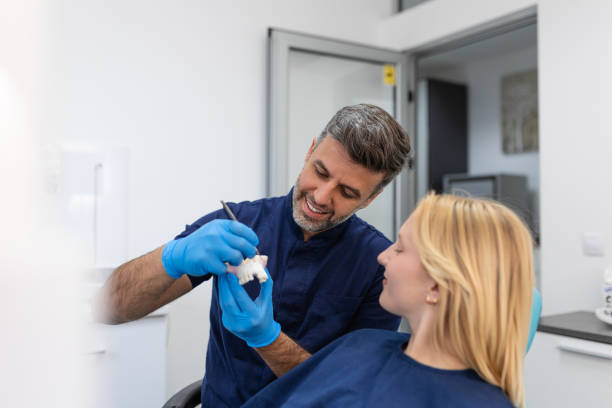
A full-mouth restoration evaluation is a detailed assessment of your teeth, gums, supporting bone, existing dental work, and bite function. It helps identify what’s causing your dental problems, determine which teeth can be preserved, and guide an individualized treatment plan. At Heather J. Petroff, DDS, in Broadview Heights, OH, the process may include a clinical exam, diagnostic imaging, a bite assessment, and treatment planning.
Maybe you’ve been told you need “a lot of work,” or several of your teeth are worn, broken, or missing. Not every patient needs the same tests or procedures. Here’s what may happen and why each step matters.
What Is the Purpose of a Full-Mouth Restoration Evaluation?
A full-mouth restoration evaluation, sometimes called a full-mouth reconstruction consultation, is an in-depth restorative dental exam for problems affecting many teeth. It goes beyond checking one tooth at a time. The dentist looks at how conditions such as decay, gum disease, grinding, and missing teeth interact.
That wider view matters because treatment in one area can affect the rest of your mouth. A new crown on a back tooth, for example, must be shaped to meet the opposing teeth evenly. Otherwise, it may absorb too much force.
Many people book this visit after noticing signs that full-mouth restoration may be necessary, such as widespread wear or repeated restoration failures. From there, the evaluation follows a logical sequence:
- Your concerns: what you notice, feel, or want to change
- Clinical findings: what the exam, gum measurements, and X-rays show
- Diagnosis: what is causing the problems
- Restorative prognosis: how predictably each tooth can be restored
- Treatment priorities: which problems need attention first
- Comprehensive treatment plan: a coordinated plan for your whole mouth
Identifying the Causes of Widespread Dental Problems
Damaged teeth are the visible result. The evaluation looks for what caused the damage in the first place. To do that, the dentist compares findings from the exam, X-rays, gum measurements, and wear patterns. Common contributors include:
- Active tooth decay or recurrent decay around old fillings and crowns
- Cracks and fractures
- Wear from grinding, clenching, or acid erosion
- Missing teeth that shift chewing forces onto other teeth
- Failing crowns, fillings, or bridges
- Periodontal (gum) disease
- Functional problems, such as a bite that doesn’t meet evenly
Finding the cause helps protect new work. If nighttime grinding cracked several crowns, replacing them without managing the grinding may lead to the same damage. Likewise, crowns placed over untreated gum disease may lose their support over time.
Determining Which Teeth Can Be Preserved
Keeping natural teeth is often a priority when the outcome is predictable. The dentist checks how much healthy tooth structure remains and whether the roots are free of fractures or untreated infection. Gum and bone support around the tooth matter as well.
The final question is predictability. How reliably can a filling, crown, or other restoration hold up on that tooth over time?
Some teeth fall into a gray area. Our article on whether a damaged tooth can be saved explains the factors behind that decision in more detail.
Evaluating How Your Teeth Function Together
Your teeth work as a system. When you chew, forces travel through your teeth, gums, bone, and jaw joints.
The dentist notes how your upper and lower teeth meet and whether your back teeth provide enough posterior support. Tooth alignment and overall bite stability are part of this review too. These observations help explain why certain teeth keep breaking. They also guide how new restorations should be shaped.
What Medical and Dental History Does the Dentist Review?
Your history provides context that an exam alone can’t. It also helps the dentist plan treatment that fits your overall health, not only your teeth.
Previous Dental Treatments and Current Restorations
Expect questions about dental work you’ve already had, including:
- Existing crowns and bridges
- Large fillings
- Teeth treated with root canals
- Previous extractions
- Dental implants
- Previous periodontal therapy
- Restorations that have failed or needed repeat repairs
Past treatment shapes future options. A tooth with a root canal and a large filling may have little structure left to support another restoration. Existing implants are checked for bone support and how well their crowns fit. Past gum treatment suggests your gums will need ongoing monitoring during and after restorative care.
Repeated failures may point to grinding, high decay risk, or bite problems that need attention first. If you have records or X-rays from a previous dentist, bring them along.
Medical Conditions and Medications That May Affect Treatment
Some health conditions and medications can affect healing, bleeding, and how well restorations hold up. The dentist may ask about:
- Diabetes, which can affect gum health and healing
- Blood thinners, which may require extra planning before extractions or gum treatment
- Medications that affect bone, such as some osteoporosis drugs, which can matter before extractions or implant surgery
- Past radiation therapy to the head or neck
- Recent surgeries or hospital stays
Dry mouth deserves special attention. According to the National Institute of Dental and Craniofacial Research, dry mouth can be caused by certain medications and raises the risk of tooth decay. For someone planning several crowns, that risk shapes prevention and maintenance plans.
This review guides dental planning only. It doesn’t diagnose medical conditions, and your physician remains the right person for those questions.
Teeth Grinding, Jaw Symptoms, and Everyday Chewing Difficulties
Day-to-day symptoms help fill in the picture. Waking with sore jaw muscles, or noticing chipped and flattened teeth, can suggest grinding or clenching (bruxism). Avoiding certain foods or chewing on one side may point to missing back teeth, a sensitive tooth, or an unstable bite. These details tell the dentist where to look more closely during the exam.
Jaw pain has many possible causes, including muscle tension, joint problems, and stress-related clenching. The dentist considers these symptoms alongside other findings instead of assuming the bite is responsible.
Patient Goals, Preferences, and Treatment Priorities
Two patients with similar X-rays may want very different plans. Knowing your priorities helps the dentist recommend options you’re comfortable committing to. The dentist will want to understand:
- What feels difficult or uncomfortable when you eat
- How strongly you want to keep your natural teeth
- How you feel about more involved treatment, such as implant surgery
- How many visits you can manage, and how long each one can be
- Which area you’d like treated first
- What daily care and follow-up visits you’re comfortable with
Your answers can change the order of treatment and which options make the most sense for you.
How Are the Teeth and Existing Restorations Examined?
Next, the dentist examines each tooth and every existing restoration. The goal is to understand what’s sound, what’s failing, and why.
Checking for Tooth Decay, Cracks, and Structural Damage
The dentist inspects each tooth visually and with dental instruments. This clinical exam looks for new decay, cracks, and recurrent decay, which is decay that forms along the edges of old fillings and crowns. Fractured cusps, the raised points on back teeth, are another common finding. A broken cusp can leave the rest of the tooth more likely to crack.
Remaining tooth structure matters most. A tooth with healthy walls may need only a filling. A tooth with large cracks may need full coverage with a crown. Heather J. Petroff, DDS, uses an intraoral camera, so you can see these areas on a screen.
Evaluating Old Crowns, Fillings, and Bridges
Older dental work eventually wears down. The dentist checks the margins, where a crown or filling meets the tooth, for gaps or decay. The dentist also looks for chips, cracks, and worn-through areas. Signs of failure can include a crown that feels loose or food that keeps catching between teeth.
For bridges, the supporting teeth get a close look. A small gap at a crown margin can let bacteria in underneath. A bridge can also look fine while a supporting tooth decays below it. That’s one reason X-rays are part of the evaluation.
Assessing Teeth That May Need Root Canal Treatment or Extraction
Some teeth need further testing. A cold test checks how the nerve inside the tooth responds. Tapping and biting tests can show inflammation around the root. X-rays can reveal infection near a root tip or bone loss around it.
The dentist also evaluates restorability, meaning whether enough healthy tooth remains to rebuild it predictably. These decisions rarely rest on one symptom. A painful tooth may still be restorable. A comfortable tooth may have a poor long-term outlook. The dentist weighs pain history, test results, X-rays, gum support, and remaining structure together.
If an extraction is recommended, Dr. Petroff performs minor extractions in the office. More complex extractions are coordinated with an oral surgeon.
Determining Whether Existing Dental Work Can Be Retained
Full-mouth restoration doesn’t mean replacing every crown, filling, or implant restoration. Work that fits well, has healthy margins, and suits your bite can often stay. Keeping sound restorations can mean fewer appointments, lower costs, and more natural tooth structure preserved.
Sometimes a sound restoration is replaced anyway, such as when it doesn’t fit a planned bite change or match new work nearby.
How Does a Periodontal Examination Affect Full-Mouth Restoration Planning?
Crowns, bridges, and implant restorations depend on healthy gums and bone. If that support is inflamed or breaking down, even well-made restorations can fail. A periodontal examination measures this support, and the results often determine what treatment comes first.
Measuring Gum Pockets and Checking for Inflammation
The dentist or hygienist uses a thin probe to gently measure the space between each tooth and the gum. Measurements are usually taken at six points per tooth. These gum pocket measurements go into a periodontal chart.
The team also notes any bleeding on probing, since it often signals inflammation. Deeper pockets combined with bleeding can indicate active gum disease.
Evaluating Gum Recession and Tooth Mobility
Gum recession exposes more of the root. It can be a sign of attachment loss, meaning some of the gum and bone attachment holding the tooth has been lost. The dentist also checks whether teeth move when gently pressed.
Supporting bone matters because it anchors the tooth against chewing forces. When bone is lost, a tooth may loosen or have a shorter expected lifespan. Recession, mobility, and bone levels on X-rays all help determine each tooth’s prognosis. A tooth with strong support makes a better anchor for a bridge than one with significant bone loss.
Why Gum Disease May Need Treatment Before Restorative Work
When gum disease is active, treating it usually comes before final crowns, bridges, or implant-supported restorations. Inflamed gums can change shape as they heal, which makes accurate fitting harder.
Periodontal therapy removes plaque and hardened deposits below the gumline to calm inflammation. Afterward, the dentist reassesses your gums before moving forward. Many patients then continue with periodontal maintenance visits to keep their gums stable.
What Dental X-Rays and Diagnostic Records May Be Needed?
Diagnostic records capture details the eye alone can miss. They also create a baseline for planning and for tracking changes over time. The type and number of images depend on your history and on what the clinical exam finds.
The American Dental Association and FDA publish professional guidelines for dental X-rays. They recommend choosing images based on each patient’s needs, after a clinical exam and health history review.
Dental X-Rays for Tooth Roots, Decay, and Bone Support
For patients with extensive dental work or widespread problems, a full set of X-rays is often appropriate. A full set usually combines bitewing X-rays, which show the crowns of back teeth, with periapical X-rays, which show entire teeth and their roots. Heather J. Petroff, DDS, uses digital X-rays, which can show:
- Decay between teeth and under existing restorations
- Infection near the tips of roots
- Bone levels around teeth and implants
- The condition of previous root canal treatment
- How well crowns and bridges fit
Our guide to dental X-rays explains how these images reveal problems before symptoms appear.
When Three-Dimensional Imaging May Be Considered
Standard dental X-rays are two-dimensional. In selected cases, the dentist may consider cone beam computed tomography (CBCT), a 3D scan of the jaws.
CBCT can help answer complex questions, such as how much bone is available for an implant. It can also show the position of nerves and sinuses. Many evaluations don’t require it. When it is needed, it may be arranged through an oral surgeon or another imaging provider.
Dental Photographs and Digital or Physical Models
Intraoral photographs record the condition of your teeth and gums before treatment and help track changes over time. Models made from impressions or, in some cases, digital scans show how your teeth fit together. The dentist and dental lab use them to study your bite and design restorations.
How Diagnostic Records Help Compare Restorative Options
No single record tells the whole story. Combined with your exam, gum chart, bite analysis, and goals, these records show which options are realistic. An implant may seem ideal, for example, until X-rays show limited bone.
How Does the Dentist Evaluate Your Bite Before Full-Mouth Restoration?
Your bite affects how long restorations last. This bite evaluation is diagnostic, and only some patients need their bite changed.
Checking How Upper and Lower Teeth Contact
Occlusal contacts are the points where upper and lower teeth touch. The dentist may use thin marking paper to map them. These findings guide the height and shape of new restorations so chewing forces spread evenly.
Evaluating Missing Back Teeth and Posterior Support
Molars and premolars handle most heavy chewing. When several are missing, front teeth may take on heavier forces. The dentist notes whether replacing missing teeth would restore stable support.
Identifying Excessive Wear and Possible Bite Instability
Wear patterns and shifted teeth can point to grinding, erosion, or a bite that doesn’t meet evenly. These findings help explain why teeth or restorations keep breaking.
Assessing Whether Bite Changes Need to Be Addressed During Treatment
Many patients can be restored within their existing bite. The dentist considers changes only when the diagnosis and your functional needs support them, and they can be tested with temporary restorations first. Our article on restoring a collapsed bite explains this process in more detail.
How Is a Full-Mouth Restoration Treatment Plan Developed?
This is where all the findings come together. The dentist reviews each tooth’s condition, sets priorities, and maps out which treatments should happen and in what order. The result is a coordinated treatment plan built around your exam results, records, and goals.
When more than one option exists, Dr. Petroff typically presents several and explains the benefits and risks of each. That way, you can choose the plan that best fits your needs and expectations.
Prioritizing Active Decay, Infection, and Gum Disease
Active disease usually comes first. Decay left untreated can keep spreading under a new crown. Infection can flare up after a tooth is restored. Inflamed gums can shift as they heal, which affects how restorations fit.
Early steps may include fillings, root canal treatment, extractions, or periodontal therapy. This stabilization phase controls disease. It also gives the dentist a clearer picture before designing definitive restorations.
Selecting Teeth to Restore and Teeth That May Need Replacement
Each tooth receives a prognosis, a professional estimate of how well it’s likely to hold up. Deep decay, root fractures, and significant bone loss can all lower a tooth’s prognosis. The dentist usually recommends restoring teeth with a good prognosis. Teeth with a poor prognosis may be better candidates for replacement.
Some teeth fall in between. Saving a borderline tooth may take more treatment, with a less certain long-term result. Your preferences and the tooth’s role in the overall plan help guide that decision.
Choosing Between Crowns, Bridges, and Implant Restorations
The right restoration depends on several factors:
- The condition of your remaining teeth
- How many teeth are missing and where
- Bone support in areas where implants are considered
- Bite forces and grinding habits
- Cleaning and maintenance needs
A crown protects a weakened tooth. A bridge uses neighboring teeth to replace a missing one. Implant restorations replace teeth without relying on neighbors, but they need adequate bone.
If you’re considering implants, you can explore the practice’s implant dentistry services. Dr. Petroff refers patients to an oral surgeon for implant placement. She then restores the implants with crowns or implant-retained dentures.
Planning Temporary and Final Restorations
Complex treatment often includes provisional, or temporary, restorations. Temporaries protect prepared teeth while final restorations are made.
They also work as a trial run. You can test how a new tooth shape or bite feels when you chew and speak. Adjustments made at this stage can then be carried into the final restorations.
Establishing Treatment Sequence and Follow-Up Care
Many full-mouth plans are completed in phases. A typical sequence might look like this:
- Stabilize disease, such as decay, infection, and gum disease
- Allow healing, then reassess
- Place provisional restorations where needed
- Complete final restorations, often one area at a time
- Start a maintenance routine of regular exams and cleanings, plus a night guard if recommended
Timelines vary widely. Healing, the time implants need to bond with bone, and how your gums respond all affect the pace. Your plan may be adjusted as treatment moves forward.
What Questions Should Patients Ask During a Full-Mouth Restoration Evaluation?
Bring a list of your medications, any recent X-rays from other offices, and notes about your symptoms. Then consider asking the following questions.
Which Teeth Can Be Saved?
Ask which teeth have a good, fair, or poor prognosis and why. For borderline teeth, ask how predictable a repair would be.
What Problems Need to Be Treated First?
Ask what needs attention right away. The answer usually centers on infection, active decay, and gum disease, which are treated first to protect later work.
Will Dental Implants or Bridges Be Necessary?
Ask about every reasonable option, including bridges, implants, and removable dentures, and what happens if a tooth isn’t replaced. Each option has different cleaning and maintenance needs.
How Will the Treatment Plan Restore Comfortable Chewing?
Ask what the plan is designed to improve. Comfortable chewing is a realistic goal for many patients, but results depend on bone support, gum health, and grinding habits.
What Maintenance Will Be Needed After Treatment?
Ask what long-term care involves, including exams, cleanings, home care, and monitoring restorations for wear or decay.
Why Whole-Body Health Matters During Restorative Treatment Planning
Your medications and health conditions shape the timing, length, and type of treatment. Poorly controlled diabetes, for example, can slow healing after extractions or gum treatment, so the dentist may allow more time between steps. When dry mouth is a concern, extra fluoride or more frequent checkups can help protect new restorations.
Functional needs matter too. Restoring comfortable chewing can make firm foods easier to eat, and someone with limited hand mobility may benefit from restorations that are easier to clean. For some patients, coordinating with a physician is appropriate. Restorative dentistry supports oral function and comfort, but it doesn’t treat medical conditions.
Comprehensive Restorative Evaluations in Broadview Heights, OH
At Heather J. Petroff, DDS, a full-mouth restoration evaluation starts with understanding your mouth before any procedure is recommended. Dr. Petroff, who grew up in Broadview Heights, reviews your history, examines your teeth, gums, and bite, and gathers the records your situation calls for.
The practice is built around “One Patient, One Dentist, One-on-One Attention.” You’ll review the findings and compare options directly with Dr. Petroff, so your plan reflects your priorities. When a step falls outside the practice, such as surgical implant placement, she can coordinate care with an oral surgeon.
The office on Town Centre Drive is convenient for patients in Broadview Heights and nearby Brecksville and North Royalton.
FAQs About Full-Mouth Restoration Evaluations
What happens at a full-mouth reconstruction consultation?
A full-mouth reconstruction consultation reviews your health and dental history. The dentist examines your teeth, gums, existing restorations, and bite, and takes X-rays or other records as needed. You’ll then learn which teeth can likely be saved and which problems need attention first. Your treatment plan may be presented at this visit or at a follow-up.
Will I need dental X-rays?
Most patients with multiple dental problems need X-rays, because many issues sit below the gumline or between teeth. Patients with extensive past treatment often need a full set. The specific images depend on your history, any recent X-rays from other offices, and what the exam shows.
Does the dentist examine my gums before recommending crowns or implants?
Yes. Healthy gums and bone form the foundation for crowns, bridges, and implant restorations. The dentist measures gum pockets, checks for bleeding and recession, and reviews bone levels on X-rays. If gum disease is active, it is usually treated first so new restorations have stable support.
Can a dentist determine whether my damaged teeth can be saved?
In most cases, yes. The dentist evaluates remaining tooth structure, root health, gum and bone support, and how predictably each tooth can be restored. Some teeth are clearly restorable, and others are not. Borderline teeth may need more testing, and your preferences help shape the final decision.
Is a full-mouth restoration evaluation painful?
Most of the evaluation is diagnostic and involves little discomfort. Gum measurements may feel tender if your gums are inflamed, and some tooth tests use brief cold or pressure. Comfort levels vary from person to person. Let the team know if anything feels uncomfortable, especially if dental visits make you anxious.
Will I receive a complete treatment plan at the first appointment?
Sometimes, but complex cases often need more time. The dentist may want to study models, consult an oral surgeon, or gather additional records first. Many patients hear the initial findings at the first visit. A detailed treatment plan may follow at a later appointment.
Can the treatment plan change after the evaluation?
Yes. New findings can come up during treatment, such as decay discovered under an old crown once it’s removed. A tooth may also respond better or worse than expected to early treatment. Gum health may improve after periodontal therapy, opening new options. Your priorities, schedule, or budget may shift too. The dentist reassesses at key stages and updates the plan with you.
Do I need an evaluation if I already have several crowns and implants?
Yes. Existing crowns, bridges, and implant restorations are part of how your whole mouth functions. The dentist checks their fit, margins, and bite contacts, and looks for decay or bone loss around them. Sound restorations can often stay in place, while failing ones may be included in the new plan.
Schedule a Full-Mouth Restoration Evaluation in Broadview Heights
If you’re living with several damaged, worn, or missing teeth, a careful diagnosis is the right place to start. At Heather J. Petroff, DDS, in Broadview Heights, a restorative evaluation focuses on understanding your whole mouth before recommending treatment. Dr. Petroff will explain which teeth can likely be preserved. She’ll then help you plan treatment around comfortable chewing, your health, and your priorities. Contact our Broadview Heights dental office to schedule a full-mouth restoration evaluation.